EP 481 | The Buyer Type Who Wants All the Details [7 Buyer Types Series]
Listen to the podcast on:


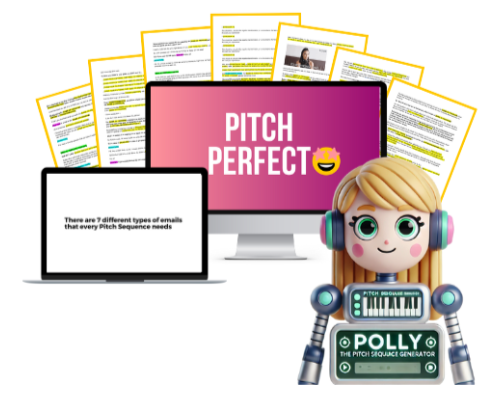
Pitch Perfect
Write sales emails that actually sell your offer, through a proven, 7-email Pitch Sequence strategy that meets each buyer type you have
in your audience where they are and speaks
to their unique buying habits.
Use code EMAILEMPIRE at checkout
to get $10 off your purchase!
In part two of this seven-part buyer type series, Allison is breaking down the Details Buyer — aka the email subscriber who needs more information before they feel safe making a decision.
And before you roll your eyes at the idea of writing an FAQ email, this episode will show you why a strategic FAQ email is not just a boring list of questions and answers. You’ll learn how to go beyond surface-level logistics and uncover the deeper objections hiding underneath, so your sales emails can create confidence, reduce risk, and help the right buyers say yes.
TAKEAWAYS:
The Details Buyer isn’t trying to be difficult, they’re trying to make a smart, informed decision before investing (no matter how big or small of a purchase).
More details can create safety for this buyer type, which means your FAQ email has a bigger job than simply answering logistical questions.
A strong FAQ email answers the question being asked while also addressing the deeper hesitation or objection underneath it.
Surface-level answers give information, but strategic answers reduce risk and help the buyer picture how your offer will actually fit into their life or business.
When your Email Pitch Sequence only speaks to one type of buyer, you may be leaving sales on the table, which is why each email should speak to a specific decision-making style.
Resources:
If today’s episode made you realize your Email Pitch Sequence needs an email that not only answers questions, but also simultaneously debunks objections, Pitch Perfectwill help you write it (and the 6 other emails for your other 6 buyer types). Click here to learn moreand enter code EMAILEMPIRE at checkout to snag $10 off your purchase.
Did you miss the episode about the first buyer type, the No Frills Buyer? You can listen in here.
CONNECT WITH ALLISON:
Follow Allison on Instagram
DID YOU HAVE AN 'AH-HA MOMENT' WHILE LISTENING TO THIS EPISODE?
If you found value and are ready to take action from listening to this episode, head to Apple Podcasts and help us reach new audiences by giving the podcast a rating and a review.
Music by: www.bensound.com
License code: 8G1GJZZDCLKGU9NR
Artist: : Benjamin Tissot
🤔 Want to work together?
Here’s how to get started!

Join the email marketing membership for coaches and experts, who want to sell their offer on autopilot.
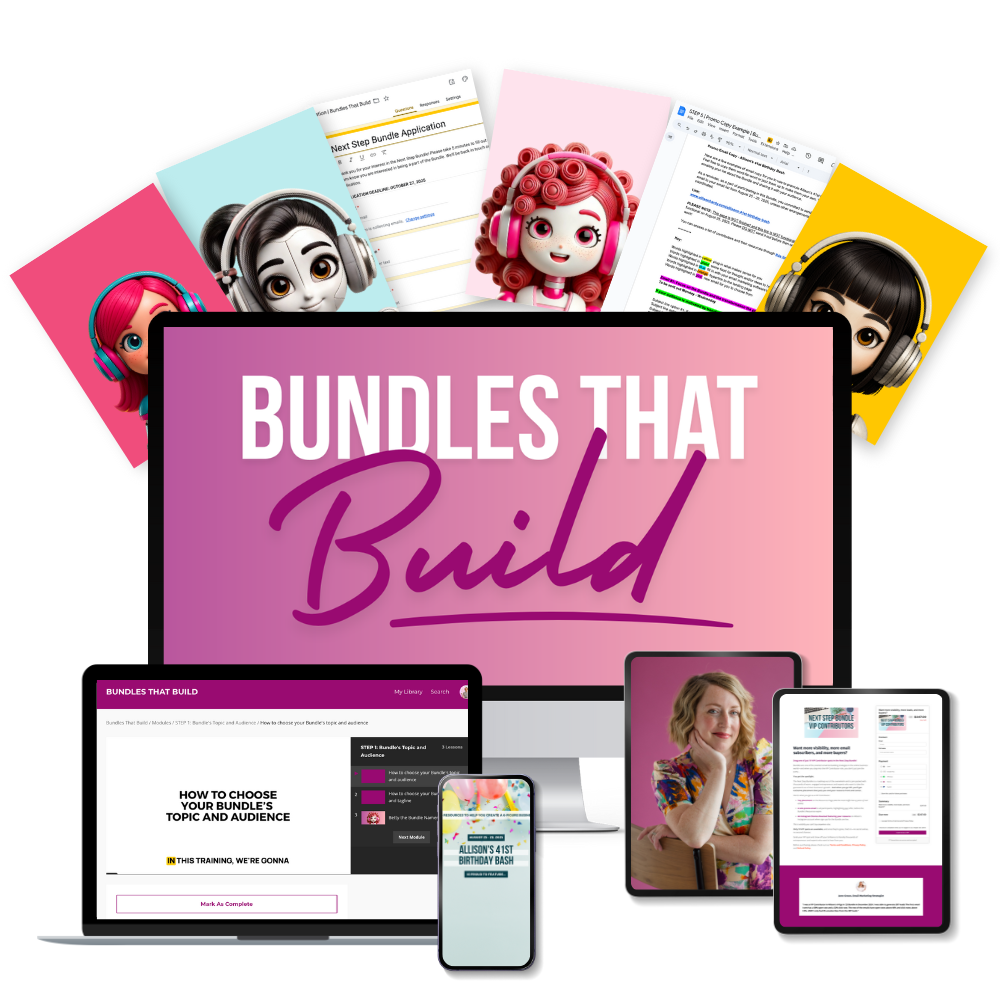
Host a bundle that builds your email list, your visibility, and your sales.
Transcript:
Hey, hey. Welcome to episode number 481 of the Email Empire Podcast. This episode is part two of a seven-part series where we're breaking down the seven different buyer types that you have in your audience, and how to write sales emails that speak directly to each of them, because not everybody buys for the same reason. Not everybody needs the same information. Not everybody sitting in your audience has the same objections, the same urgency, the same level of trust, or the same decision-making style. And if your pitch sequence only speaks to one type of buyer, you're leaving sales on the table.
Last week, in episode 480, we talked about the no-frills buyer. This is the person who does not need a ton of information in their sales emails to make a buying decision. They've already put themselves in your email funnel strategically. They know they have the problem, they want the outcome, and they trust you enough to be paying attention to you. And so if you missed that episode, it's linked for you in the show notes, so you can go back and listen. Today, in this episode, we're talking about a very different buyer type. In fact, this buyer type is the exact opposite of the no-frills buyer.
Today, we're talking about the details buyer, and the email that usually speaks really well to the details buyer is your FAQ email, your frequently asked questions email. Now, before you roll your eyes and think, "Alison, I know how to write an FAQ email. You just answer questions," yeah, you're right, kind of, but also not really, because a strategic FAQ email is not just a list of questions with answers. It's not just, "How long do I have access? What happens after I buy? Is there a payment plan? Can I join if I'm a beginner?" That is the surface level version.
A strategic FAQ email answers the actual question being asked, yes, of course, but it also goes deeper into the underlying question beneath it. That deeper question is exactly where the sale is. So today what we're gonna talk about is who the details buyer is, why they need more information before they buy, and how to write an FAQ email that actually helps them to make a decision without sounding pushy, defensive, or like you're trying to convince someone like a sleazy used car salesperson, because no thank you, we're not doing that here.
So first, let's dig into- who the details buyer is. The details buyer is the person who needs to understand what they are saying yes to before they buy. And a lot of times we, as the person who wrote the sales emails and as the person who is hosting the program that you are selling, can view this buyer type as, let's call it like it is, annoying. But the thing we need to keep in mind about the details buyer is that all of the questions that they have is just how they process.
And so while it can feel like you're talking to someone who's super skeptical or their number one mission in life is to try to poke holes in your offer or that they're difficult, what they're doing in all of their question asking is trying to make a smart decision. They want to know how your program works. They want to understand what happens after they join. They want to picture themselves inside the offer. They want to know what is expected of them. They want to know the kind of support they'll get. They want to know if the program, the course, the membership, their service, the digital product will actually fit into their life and or business.
And this one is super important. A details buyer is often trying to reduce risk. They may already know they want the thing that you sell. They may already know that they believe that your offer, the thing you sell, can actually help them. They may already be sitting there thinking, "Okay, this actually sounds exactly like what I need." But before they make the decision, they just need a couple of pieces of information. Because for them and how they are motivated and how they buy, more details creates safety. More details creates confidence. More details moves them from, "That sounds good," to, "Okay, I know exactly how this will work for me." And that's the job of your FAQ email. Not to dump every single possible logistical answer into one email, but to help the details buyer feel informed enough to make a decision.
Okay, so now that you know about the details buyer, we know who this person is, what they're motivated by, let's dig into why an FAQ email is the way to go for this buyer type. So I often think the FAQ emails get treated like the boring email in the pitch sequence, like a, a box that people check. They're kind of like the email that people write because they feel like they're supposed to, not because they actually want to or they think it's effective. Oftentimes, I think the FAQ email has, "Oh, I should probably s- maybe, like, answer some questions before the cart closes," kind of energy. So you throw together a list of five or six questions, call it an FAQ email, and that's it. And to be clear, that's better than nothing.
But if you want this email to actually bring in sales, you have to go deeper. Because when someone asks a question about your offer, they are usually not just asking for information that they can probably get from your sales page. They are revealing to you what is making them hesitant. Let's say you get asked this question all the time: "How much time should I expect to spend on your program every single week?" The surface level answer might be, "You're gonna wanna set aside 60 to 90 minutes per week." Fine, that answers the question, right? But it does not answer the deeper underlying objection that's there. Because why is that the question? Maybe you're getting that question because your potential buyers are already overwhelmed. Maybe they've bought programs before, and they didn't have the time to do them. They sat untouched. Maybe they are nervous that this is gonna become one more thing on their already really packed to-do list. Maybe they're a mom who is building a business in the margins of her life and cannot afford to sign up to something that assumes she has five hours a day in a quiet house, which, I mean, must be nice, right? They're afraid that if they can't do it perfectly, they won't get results. Maybe they're thinking, "I want this, but I genuinely don't know where it will fit in."
So if all you say in your response is, "Plan for 60 to 90 minutes a week," yeah, you've technically answered the question, but you've probably missed the sale. Because the real objection is not, how many minutes does this take? The real objection is, can I actually do this with the capacity that I have right now? That's the question that your answer needs to actually address.
So a better answer here would be something like this: "You're gonna wanna set aside about 60 to 90 minutes per week. But I do not want this to become another program that sits open in a browser tab while you feel guilty for not finishing it. That's why inside the program you'll get a weekly implementation plan that shows you exactly what to focus on first, what can wait, and what to skip if you're short on time. So instead of trying to do everything all at once, you're moving through the material in a way that actually fits into your real life."
Do you hear the difference? I sure hope you do, right? The first answer gives information. The second answer gives information and reduces the risk. It also points to the program as the solution That's the job of the FAQ email for the details buyer.
So if you need help writing sales emails for the details buyer or to any of the other six buyer types that we're covering in this series, I highly recommend you check out my digital product, Pitch Perfect. Because with the details buyer, they don't just need you to answer their questions. They need you to understand why they're asking those questions in the first place, and that's where a lot of FAQ emails fall flat. You might be answering the question that's on the surface, but missing the deeper underlying objection beneath it. So when someone asks, "Is this beginner friendly?" They may not just be asking about experience level. They may be asking, "Am I gonna feel behind the second I get inside?"
That's what Pitch Perfect will help you to reveal. It helps you to map out and write your seven email pitch sequence, with each email speaking to a specific buyer type in your audience, including the details buyer. So you're not writing one generic, "Here's why you should buy" email and hoping that it works for everyone.
Inside Pitch Perfect, you'll get the strategy behind each buyer type, templates, and examples of all seven pitch emails, and access to Polly the Pitch Sequence Generator, which helps you to actually write the emails. A lot of our clients report that before using Pitch Perfect, they would spend up to three hours writing a singular sales email. And if you're writing seven sales emails in your pitch sequence, that ends up being 21 hours of just writing. That's so much. But with Polly the Pitch Sequence Generator, because she's programmed with my processes and my templates, she'll ask you a series of questions, and then she will write your entire seven email pitch sequence in 20 minutes. Literally, 20 minutes.
So if your details buyer brain is currently wondering, "Okay, but what do I actually get?" You get the strategy, you get the structure, you get the examples, and you get the generator that helps you turn that strategy into your own pitch emails faster. And because you're listening to this podcast episode, if you enter code emailempire, all one word, at checkout, you will score $10 off your purchase of Pitch Perfect. All you have to do is head to allisonhardy.com/pitch-perfect. And if you missed that link, it's hanging out in the show notes for you along with that coupon code.
Stay tuned because in next week's episode, we're going to talk about the next buyer type you have in your audience, the skeptic. We're going to be digging into why we seem to have so many of them these days and how to help them see how your program can actually help them. So thanks for listening, and I'll be back in your AirPods next week.